
 Resources
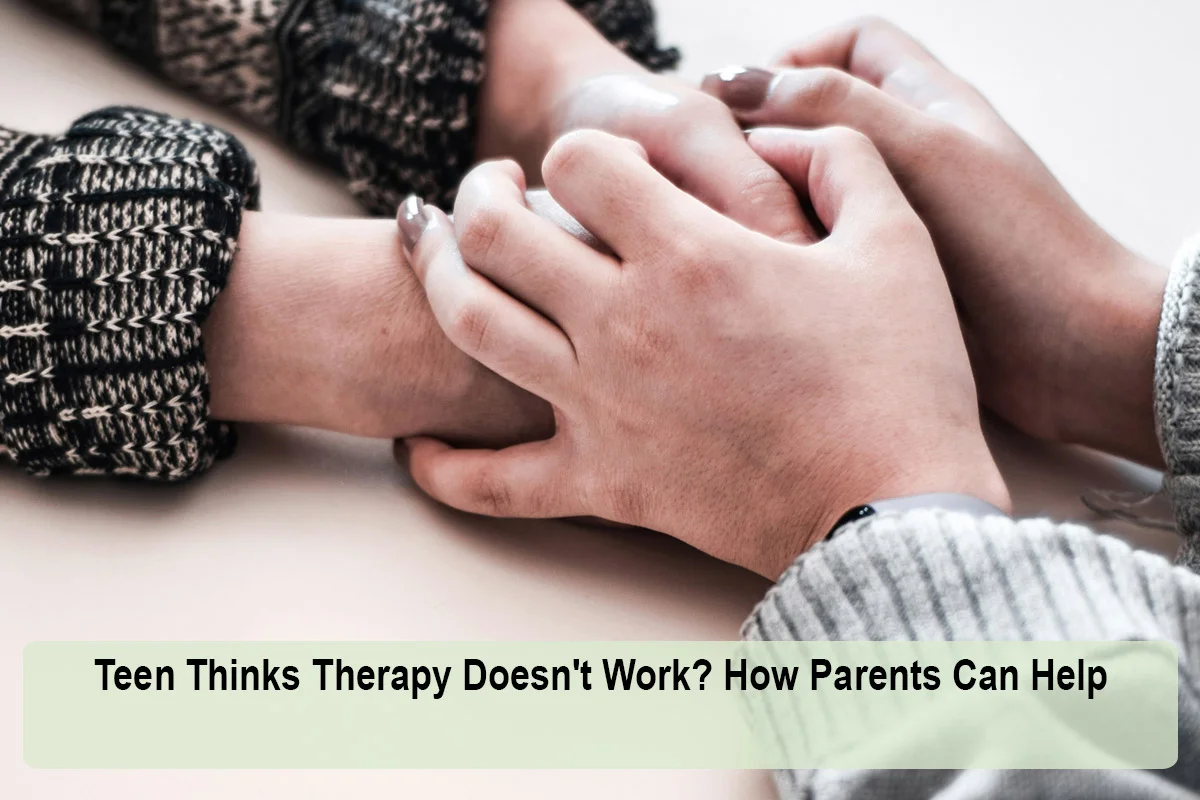
Teen Thinks Therapy Doesn't Work? How Parents Can Help
Published On 31-10-2026

Something happened to your teen. Maybe it was a car accident, an assault, abuse, a sudden death, a violent incident at school or a long stretch of chaos at home. Since then, they have not been the same. They might be jumpy, angry, numb, unable to sleep or suddenly using substances. You know they need help, but when you start searching, you find a confusing list of acronyms: TF-CBT, EMDR, CPT, DBT. Which one is right? How long will it take? What will actually happen in the room?
This guide is written for parents choosing trauma therapy for teens. It explains when therapy is needed, the main types of trauma therapy and how they compare, what sessions are like, how to choose a therapist and how to tell whether it is working. If your teen is in danger or talking about suicide, call or text the 988 Suicide and Crisis Lifeline, or call 911.
Not every teen who goes through something terrible will need formal therapy. The National Institute of Mental Health notes that many reactions to trauma are normal and fade over time with support. NIMH advises contacting a health care provider if symptoms last more than a month, or if problems such as flashbacks, a racing heart and sweating, being easily startled, emotional numbness or deep sadness last more than a few weeks.
In teens, trauma often shows up as behavior rather than words. NIMH lists reactions in older children and adolescents such as problems at school, withdrawing from family and friends, avoiding reminders of the event, using drugs, alcohol or tobacco, being disruptive or destructive, and feeling angry or resentful. The VA National Center for PTSD adds that teens are more likely than younger children or adults to show impulsive, risky, self-destructive or aggressive behavior after trauma.
About 5% of adolescents have had post-traumatic stress disorder, according to NIMH. Many more have trauma symptoms that do not meet full PTSD criteria but still affect their daily life. For a full list of warning signs, see our guide to teen trauma signs, effects and treatment.
| Usually expected after trauma | Signs trauma therapy for teens may be needed |
|---|---|
| Upset, clingy or irritable for a few days or weeks | Symptoms lasting more than a month or getting worse |
| Some trouble sleeping at first | Ongoing nightmares or insomnia |
| Talking about the event, or not wanting to | Intense avoidance of people, places or topics |
| Short dip in school focus | Falling grades, school refusal or fights |
| Leaning on friends and family | Withdrawal, numbness or substance use |
| Sadness that slowly eases | Hopelessness, self-harm or suicidal thoughts |
The good news is that trauma is very treatable. The VA National Center for PTSD states that cognitive behavioral therapy is the most effective approach for treating children and that research shows trauma-focused CBT is safe and effective for children with PTSD. It also describes EMDR as effective for helping children and adults process upsetting memories. Here are the main options parents will encounter.
TF-CBT is the most widely studied trauma therapy for young people. It is a structured, time-limited approach that usually involves both the teen and a caregiver. Teens learn about trauma reactions, practice relaxation and emotion skills, identify unhelpful thoughts, and gradually create a "trauma narrative," telling the story of what happened in a safe, paced way. Parents learn parallel skills so they can support their teen at home. Our article on trauma-focused therapy techniques for teens explains each component in more detail.
In EMDR, the teen briefly focuses on a distressing memory while following side-to-side eye movements or other rhythmic stimulation guided by the therapist. The goal is for the memory to become less charged and for more balanced beliefs to replace beliefs like "It was my fault." Some teens like that EMDR does not require describing the trauma in as much detail out loud. Learn more in our guide to EMDR therapy.
These adult PTSD treatments have been adapted for older teens. Cognitive processing therapy focuses on challenging "stuck points," such as guilt or a belief that the world is completely unsafe. Prolonged exposure helps teens gradually face memories and safe situations they have been avoiding. A trained clinician decides whether these fit a particular teen.
DBT is not a trauma-processing therapy on its own, but it is often used first or alongside trauma work for teens who self-harm, have intense emotions or act impulsively. It builds the stability needed before digging into painful memories.
Many programs add art therapy, somatic experiencing, internal family systems, psychodrama or yoga. These can help teens who struggle to put trauma into words, but they work best as part of a plan that includes an evidence-based core therapy.
| Therapy | Best suited for | Parent involvement | Talking about the trauma |
|---|---|---|---|
| TF-CBT | Most children and teens with trauma symptoms or PTSD | High, parent sessions built in | Gradual, through a written or spoken narrative |
| EMDR | Teens with specific distressing memories | Moderate | Less detailed verbal retelling |
| Cognitive processing therapy | Older teens with guilt, shame or stuck beliefs | Low to moderate | Focus on thoughts about the event |
| Prolonged exposure | Older teens with strong avoidance | Low to moderate | Repeated, guided retelling |
| DBT | Teens with self-harm or severe emotional swings | Often includes family skills groups | Usually after stabilization |
Parents often worry that therapy will force their teen to relive the worst moment of their life. Good trauma therapy for teens is carefully paced. Most approaches follow a similar arc:
Many structured trauma therapies for teens are designed to be completed in a matter of months rather than years, though timelines vary with the teen, the trauma and any other conditions.
Training matters. "Trauma-informed" is a general approach to care, while "trauma-focused" or "trauma-specific" therapy means the clinician is trained in a specific evidence-based treatment. Questions to ask:
Your teen should feel at least somewhat comfortable with the therapist. A good fit can matter as much as the method. Look for programs with a trauma-informed approach and trauma-specific therapy.
| Try saying | Avoid saying |
|---|---|
| "What happened was not your fault." | "Why didn't you tell anyone sooner?" |
| "You can talk to me whenever you're ready." | "You need to tell me everything right now." |
| "Your reactions make sense after what you went through." | "It's time to get over it." |
| "I'll go with you to your appointment." | "Therapy is only for people who are broken." |
Progress is rarely a straight line, but over weeks to months you may notice fewer nightmares and better sleep, less avoidance, fewer explosive reactions, improved school attendance, more time with friends and the ability to mention the event without shutting down. If nothing has changed after several months, ask the therapist about adjusting the plan, adding a different approach or considering a higher level of care.
Outpatient therapy works for most teens. More intensive support may be needed if your teen is self-harming, using substances heavily, cannot attend school, is unsafe at home or has not improved in outpatient care. Options include an intensive outpatient program, a partial hospitalization program or residential treatment with trauma and PTSD specialties. Teens who use substances to cope need co-occurring treatment; see trauma-focused therapy in addiction treatment. Adolescent programs include Nexus Teen Academy Oak, Hillcrest Adolescent Treatment Center and Polaris Teen Center; confirm the trauma therapies offered and the ages served. You can also search FindTreatment.gov or call the SAMHSA National Helpline at 1-800-662-4357.
Trauma therapy for teens works, and the strongest evidence supports trauma-focused CBT, with EMDR and other structured approaches as solid options. Look for a therapist trained in a specific method, expect careful pacing, stay involved as a parent and watch for steady progress over months. If your teen's trauma reactions have lasted more than a month or are disrupting their life, reaching out now can keep a painful experience from shaping the rest of their adolescence.
This article was reviewed by the RehabsNearMe Editorial Team for accuracy, clarity, and relevance. Information may be sourced from publicly available treatment resources, government agencies, and healthcare references where applicable.
Last reviewed: November 2026
Resources
 Resources
 Resources
 Resources