
 Resources
Teen Thinks Therapy Doesn't Work? How Parents Can Help
Published On 31-10-2026
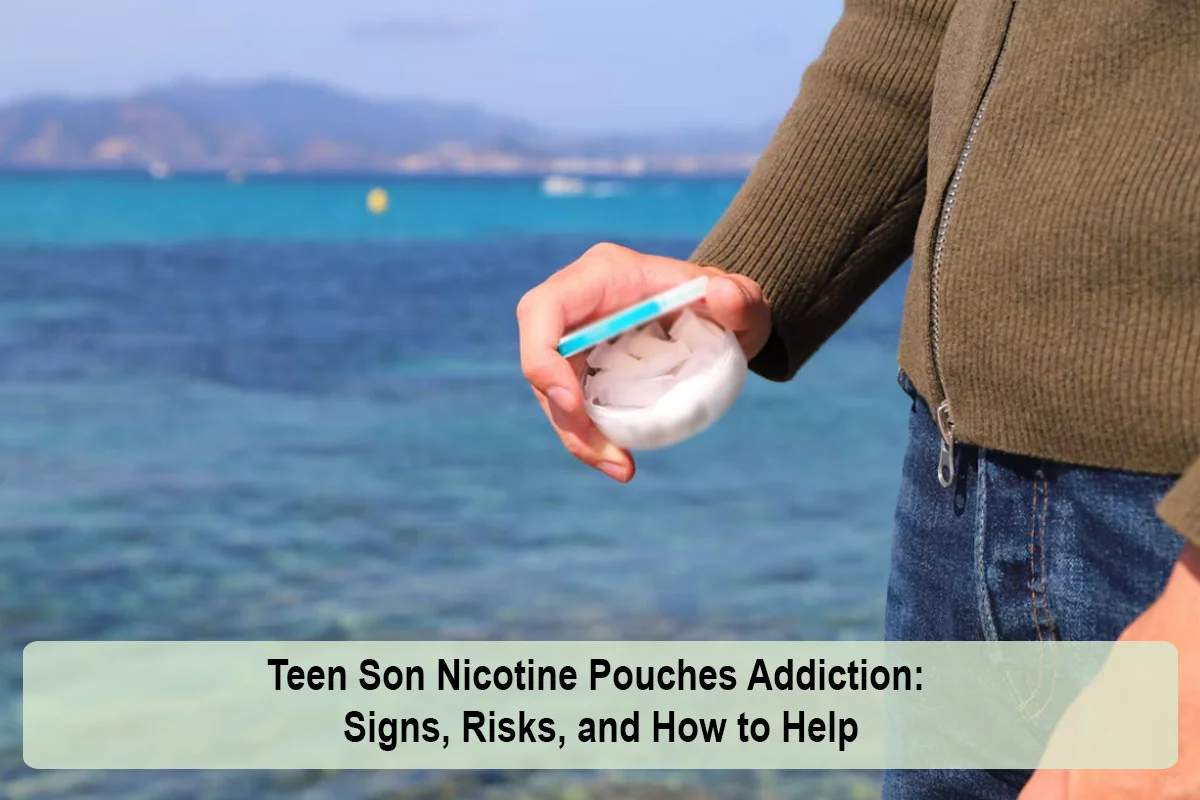
You found a small round tin in your son's jeans pocket, or noticed a bulge under his upper lip during dinner. Maybe a few white pouches turned up in the washing machine. When you asked, he shrugged: "It's just Zyn. Everyone uses it. It's not like smoking." He may believe that. But nicotine pouches deliver the same addictive drug found in cigarettes and vapes, and teen brains are especially sensitive to it. If you suspect your teen son has a nicotine pouch addiction, you are not overreacting, and you are not alone.
This guide explains what nicotine pouches are, how common they are among teens, why they are risky for a developing brain, the signs of addiction, and a step-by-step plan for helping your son quit.
Nicotine pouches are small, white, tobacco-free packets that contain nicotine powder, flavorings and fillers. Users tuck a pouch between the gum and upper lip, where nicotine is absorbed through the lining of the mouth. There is no smoke, no vapor and often no spitting, which makes them very easy to hide at school, at practice or at the dinner table. Popular brands include ZYN, on!, Rogue and Velo.
In January 2025, the FDA authorized the marketing of 20 ZYN nicotine pouch products in 3 mg and 6 mg strengths for adults 21 and older. Teens often hear about this and assume it means the product is approved or safe. The FDA states clearly that authorization does not mean the products are safe or "FDA approved," and that there is no safe tobacco product. The agency did say these pouches pose less risk of cancer than cigarettes for adults, but that comparison does not apply to a teenager who never smoked.
According to a CDC report on the 2024 National Youth Tobacco Survey, about 480,000 US middle and high school students, or 1.8%, currently used nicotine pouches. Among high schoolers, the rate was 2.4%, about 360,000 students. That is lower than vaping, which 7.8% of high schoolers reported, but pouches are the newer product and are easier to conceal.
The same survey found that 85.6% of teens who used nicotine pouches chose flavored products, most often mint, fruit and menthol. ZYN was by far the most used brand, named by 68.7% of youth pouch users. Many parents notice that use spreads through sports teams and friend groups, often through social media videos that present pouches as harmless or even as a focus aid.
The main risk is nicotine itself. A Minnesota Department of Health nicotine advisory, which draws on the US Surgeon General's report on youth e-cigarette use, explains several concerns:
Other common complaints include gum irritation, mouth sores, nausea, hiccups, a racing heart and trouble sleeping. Because pouches come in strengths that teens may stack or use back to back, daily nicotine intake can climb quickly without anyone noticing.
Many parents first discover pouch use by accident. These signs suggest that occasional use has become a dependency:
| Experimenting | Possible nicotine pouch addiction |
|---|---|
| Tried a pouch from a friend once or twice | Uses pouches daily, often many per day |
| No tins at home | Tins in pockets, car, backpack or gym bag |
| Normal mood | Irritable, anxious or restless when he cannot use |
| Sleeps normally | Uses a pouch first thing in the morning or wakes to use |
| Spends money as usual | Money disappearing, buying through older friends or online |
| Could easily stop | Has tried to cut back and could not |
| Focuses normally in class | Says he "can't focus" without a pouch |
Physical clues include a frequent lip bulge, white or irritated patches on the gums, mint smell, small used pouches in trash cans and round tins with brand names or strength numbers.
How you start this conversation matters more than what you say first. Teens who feel attacked tend to hide use. Teens who feel respected are more likely to be honest.
| Try saying | Avoid saying |
|---|---|
| "What do you get out of using pouches?" | "I can't believe you'd be so stupid." |
| "Nicotine is harder to quit as a teen. I want to help." | "You're grounded until you're 18." |
| "Would you be willing to try cutting back with a plan?" | "Just stop. It's easy." |
| "Let's talk to your doctor together." | "I'm telling your coach." |
Our earlier article on what to do if you catch your teen vaping uses a similar approach for e-cigarettes.
Ask how many pouches a day, what strength and when. A teen using several high-strength pouches daily may have stronger withdrawal and need medical guidance.
A pediatrician or family doctor can assess dependence, discuss withdrawal and decide whether any medication or nicotine replacement is appropriate for your son. Do not give adult nicotine replacement products to a teen without medical advice.
Common triggers include practice, gaming, studying, driving and stress. Plan substitutes such as sugar-free gum, mints, a water bottle, a quick walk or breathing exercises like those in our guide to meditation techniques for teens.
Nicotine withdrawal can cause irritability, cravings, restlessness, trouble concentrating, low mood and sleep problems. These are usually strongest in the first days and gradually ease. Expect a short rough patch and avoid big confrontations during it.
Remove tins from the home and car, monitor spending and online purchases, and let your son know you will check in regularly. The FDA authorized ZYN pouches only for adults 21 and older, so if your son is buying them, ask where they are coming from.
Praise each pouch-free day. If he slips, treat it as information, not failure. Ask what triggered it and adjust the plan.
Understanding the "why" helps you address it. Teen boys often say they use pouches to fit in with teammates, feel more alert during school, manage stress or anxiety, replace vaping, or because they believe pouches are a "clean" alternative. If your son is using nicotine to cope with anxiety, low mood or ADHD symptoms, treating those conditions can make quitting much easier. Underlying anxiety and depression are common in teens who use substances.
Seek more support if your son cannot cut back after repeated tries, uses nicotine alongside alcohol, cannabis or other drugs, has mood changes, or is using to manage stress or emotional pain. Counseling approaches like motivational interviewing and cognitive behavioral therapy help teens build their own reasons to quit. Learn more about nicotine addiction treatment and our overview of vaping and nicotine addiction.
If nicotine is one of several substances, consider adolescent programs that treat co-occurring conditions, such as Nexus Teen Academy Oak or MK Boys Academy, a program for boys. Confirm that a program serves your son's age and needs. You can browse programs for teen boys, search FindTreatment.gov, or call the SAMHSA National Helpline at 1-800-662-4357 for free referrals.
Cravings can return weeks or months later, often during stress, sports season or social events. Keep talking, keep tins out of the house and help your son plan what he will say when a teammate offers a pouch, such as "I'm good, I quit" or "Coach tests us." Encourage friendships and activities that do not revolve around nicotine. Our guide to building a relapse prevention plan can help structure this.
Discovering that your son is hooked on nicotine can bring up anger, worry and guilt. Remember that these products are designed to be appealing and easy to hide, and many careful parents miss the signs. If you use nicotine yourself, consider quitting alongside him or at least keeping your products out of sight. Lean on your partner or another trusted adult so you do not carry the stress alone, and remember that quitting often takes more than one attempt.
Nicotine pouches are discreet, flavored and marketed as a cleaner option, but for teens they are a fast route to nicotine addiction during a critical period of brain development. If your teen son is using nicotine pouches, stay calm, get curious, set clear limits, involve his doctor and build a quit plan together. With support, teens can and do quit, and the sooner they do, the easier it is.
This article was reviewed by the RehabsNearMe Editorial Team for accuracy, clarity, and relevance. Information may be sourced from publicly available treatment resources, government agencies, and healthcare references where applicable.
Last reviewed: November 2026
Resources
 Resources
 Resources
 Resources