

 Resources
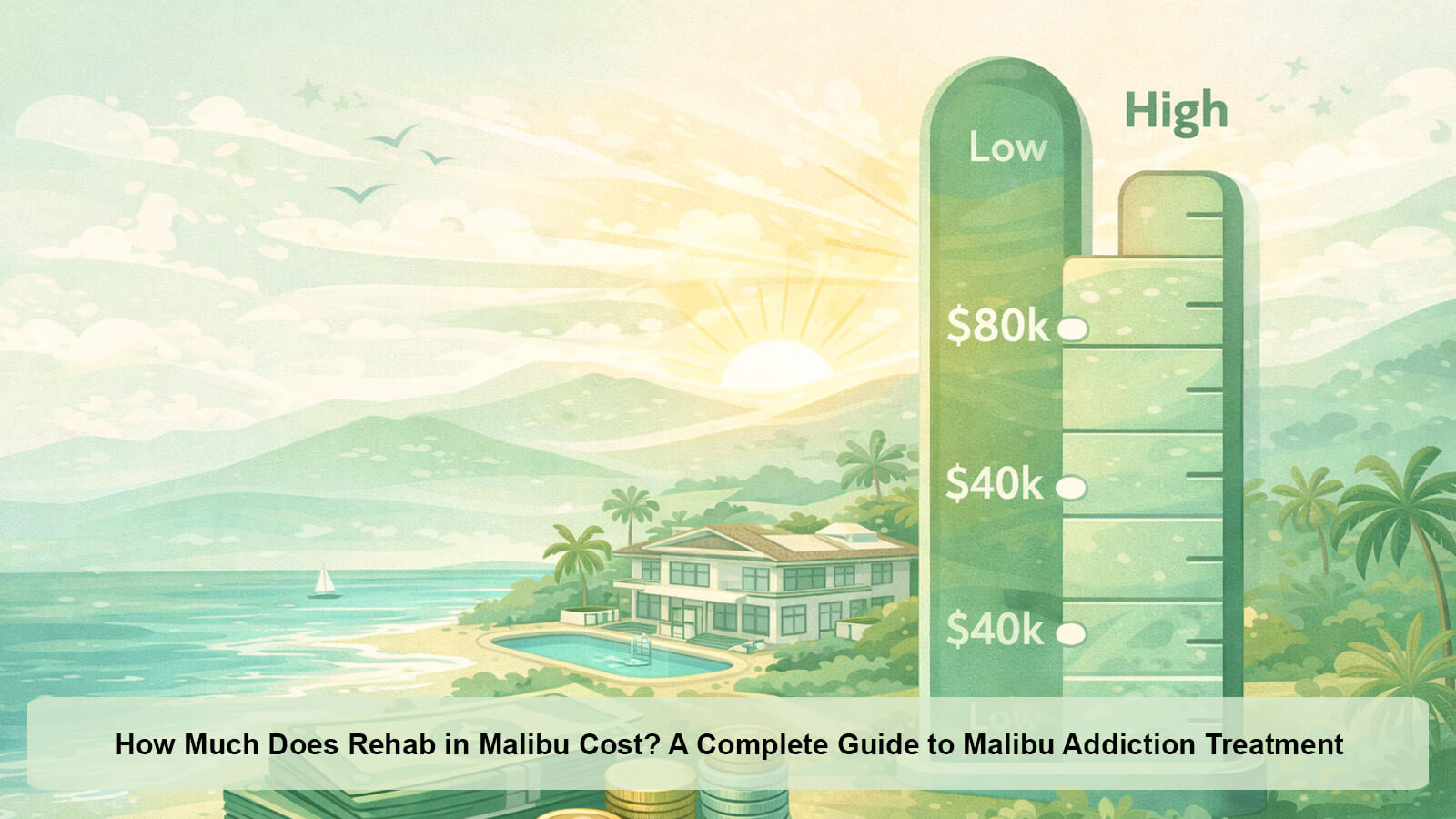
How Much Does Rehab in Malibu Cost? A Complete Guide to Mali...
Published On 04-02-2026
For years, addiction and mental health disorders were often treated as separate conditions. A person struggling with alcohol addiction might receive treatment for substance use but never address underlying anxiety, depression, trauma, or bipolar disorder. Today, treatment providers are recognizing that lasting recovery requires treating the whole person, not just the addiction.
This shift has led to the rapid growth of Dual Diagnosis Treatment, an integrated approach that addresses both substance use disorders and co-occurring mental health conditions at the same time. As more research highlights the connection between mental health and addiction, dual diagnosis programs are becoming the gold standard in modern addiction treatment.
Dual diagnosis refers to the presence of both a substance use disorder and a mental health condition. Common combinations include:
When only one condition is treated, the untreated condition often increases the risk of relapse and ongoing emotional distress.
Integrated treatment allows medical professionals, therapists, psychiatrists, and addiction specialists to collaborate on a unified recovery plan. Rather than sending clients to multiple providers, all aspects of care are addressed within a coordinated treatment environment.
Benefits include:
Many individuals entering rehab have experienced trauma, adverse childhood experiences, or significant life stressors. Trauma-informed treatment helps clients understand the relationship between trauma and addiction while developing healthier coping strategies.
Evidence-based therapies commonly used include:
Many treatment centers now use mobile recovery apps, virtual therapy sessions, telehealth appointments, and digital relapse-prevention tools to provide ongoing support after discharge. These resources help individuals stay connected to care and maintain accountability during early recovery.
As addiction treatment continues to evolve, integrated mental health and substance abuse care is expected to become the standard rather than the exception. By addressing both the underlying causes of addiction and the behaviors associated with substance use, dual diagnosis treatment offers individuals a more comprehensive path toward lasting recovery.
Recovery is about more than stopping substance use. It is about healing emotionally, mentally, physically, and socially. Dual diagnosis treatment helps make that possible.
This article was reviewed by the RehabsNearMe Editorial Team for accuracy, clarity, and relevance. Information may be sourced from publicly available treatment resources, government agencies, and healthcare references where applicable.
Last reviewed: June 2026
Resources
 Resources
 Resources
 Resources