Loading...

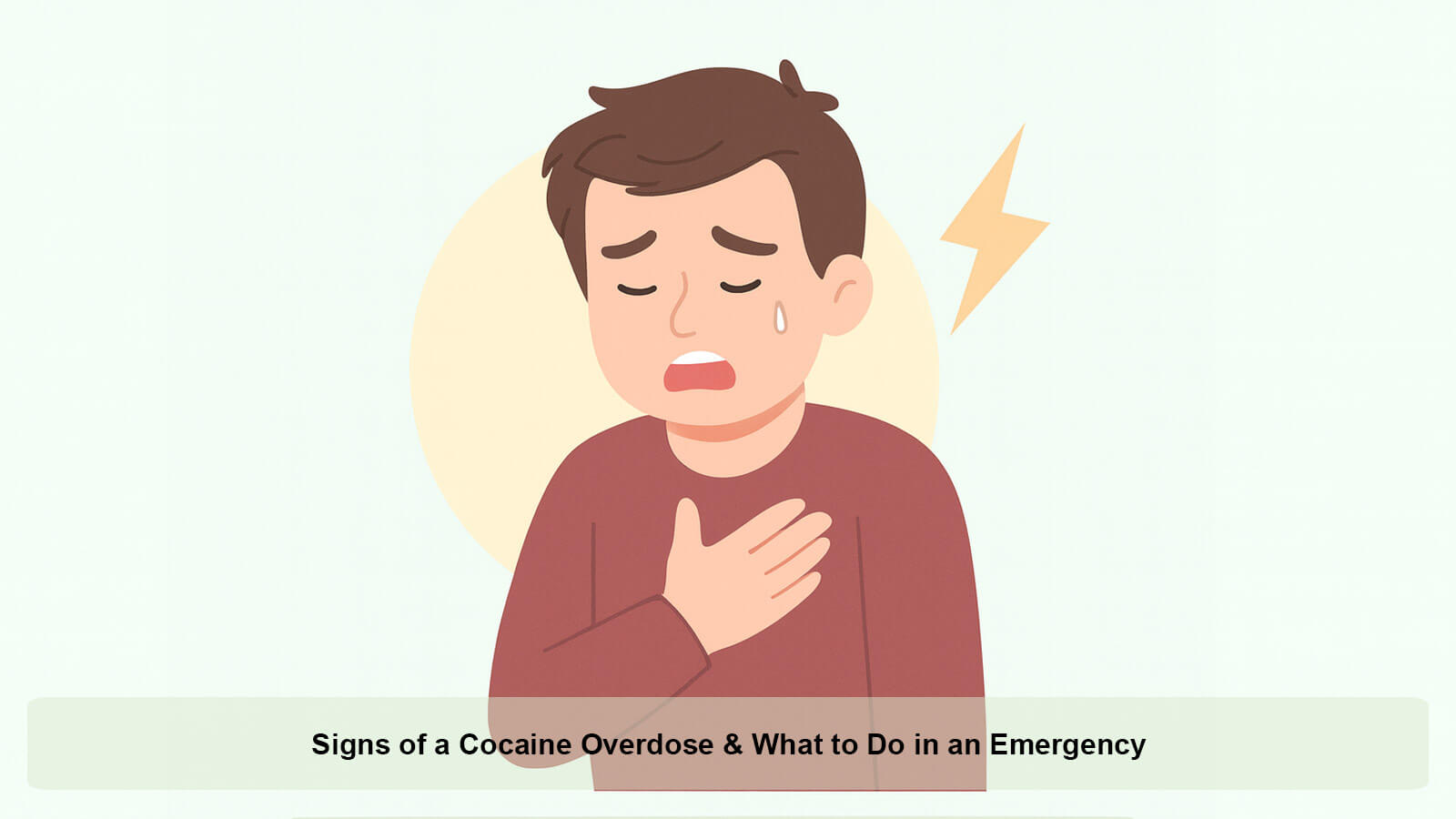
Signs of a Cocaine Overdose & What to Do in an Emergency

Cocaine Addiction
Published On 20-11-2025
1 minute read

Published by RehabsNearMe Research & Editorial Team

Signs of a Cocaine Overdose & What to Do in an Emergency

Signs of a Cocaine Overdose & What to Do in an Emergency

Cocaine overdose can happen suddenly and is extremely dangerous — especially when cocaine is cut with fentanyl. Recognizing the warning signs early can save a life.

Here’s what to look for and how to respond.

What Causes a Cocaine Overdose?

Overdose occurs when cocaine overwhelms the central nervous system. It can happen after:

  • Large doses
  • Binge use
  • Mixing cocaine with alcohol or opioids

Learn More: Cocaine Addiction Treatment

Common Signs of a Cocaine Overdose

  • Chest pain
  • Extreme anxiety or panic
  • Irregular heartbeat
  • High blood pressure
  • Difficulty breathing
  • Seizures
  • High body temperature
  • Loss of consciousness
  • Stroke or heart attack

Cocaine + Fentanyl = Extreme Overdose Risk

Many cocaine batches are laced with fentanyl. Even trace amounts can cause:

  • Instant respiratory failure
  • Blue lips
  • Limp body
  • No breathing

What to Do During a Cocaine Overdose

  • Call 911 immediately
  • Keep the person awake if possible
  • Apply naloxone if fentanyl is suspected (As per doctor prescription)
  • Lay the person on their side
  • Stay with them until help arrives

After an Overdose, Treatment Is Critical

Find a rehab specializing in cocaine addiction

Cocaine Rehabs Near Me

Frequently asked questions

Signs include rapid heart rate, chest pain, seizures, high body temperature, and loss of consciousness.

Yes — even a small amount of fentanyl in cocaine can cause instant respiratory failure.

Call 911 immediately, administer naloxone if fentanyl is suspected, and keep the person awake.

This article was reviewed by the RehabsNearMe Editorial Team for accuracy, clarity, and relevance. Information may be sourced from publicly available treatment resources, government agencies, and healthcare references where applicable.

Last reviewed: November 2025
Related articles

Top